Apgar Lookout History: A Glimpse into Glacier's Past and Present
Nestled within the breathtaking confines of Glacier National Park, the Apgar Lookout stands as a silent sentinel, bearing witness to changing seasons, dramatic wildfires, and countless visitors drawn to its panoramic vistas. More than just a scenic viewpoint, this historic fire tower offers a unique blend of natural beauty, ecological lessons, and a direct connection to the park's vital operations through its live webcam. From its origins in the early 20th century to its modern-day role, the story of Apgar Lookout is deeply interwoven with the fabric of Glacier National Park.
The Enduring Legacy of the Apgar Fire Lookout
The name "Apgar" echoes through much of Glacier National Park's southwestern corner, from the village and mountain to the very lookout itself. This enduring nomenclature honors Milo Apgar, one of the pioneering families who settled along the shores of Lake McDonald in the early 1890s. His legacy, rooted in the park's early human history, provides a fitting backdrop for a structure that has played a crucial role in safeguarding its natural heritage.
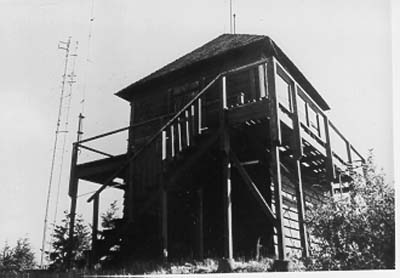
The original Apgar Lookout was a testament to the foresight of early park management, constructed in 1929 to provide a critical vantage point for detecting wildfires. However, fate had a swift, dramatic twist in store: this initial structure tragically succumbed to flames a mere two weeks after its completion. Undeterred, the park service wasted no time, immediately replacing it with the sturdy, two-story wood-frame structure that graces the site today. This rapid reconstruction underscores the paramount importance placed on fire detection in an era before advanced aerial surveillance.
While no longer actively staffed by fire spotters, the Apgar Lookout Trail: Best Views of Lake McDonald & Hike Tips leads to a structure that retains immense historical significance. It is proudly listed on the National Register of Historic Places, a testament to its enduring role in park operations and its representation of a bygone era of fire management. Visitors approaching the lookout today will also notice a television transmitter tower, an active modern utility operated by a Kalispell station under a special use permit, sharing the ridge with this historical landmark.
Hiking the Apgar Lookout Trail: A Journey Through Time and Terrain
The adventure to the Apgar Lookout begins near the southwestern corner of Glacier National Park, offering a rewarding experience for those seeking both stunning views and a moderate challenge. Reaching the trailhead requires a bit of navigation, adding to the sense of embarking on a genuine wilderness journey.
From the West Glacier Entrance Station, travelers drive approximately half a mile north on the iconic Going-To-The-Sun Road before turning left towards the Glacier Institute. A short distance brings you to another junction; turn right (away from the Glacier Institute), then almost immediately make a left turn just before reaching the Swan Mountain Outfitters horse corral. From this point, a 1.9-mile stretch of single-lane gravel road leads directly to the trailhead parking area. It’s advisable to drive cautiously on this final approach, keeping an eye out for oncoming traffic.
The hike itself, covering a distance of 3.3 miles one way, starts gently along an old dirt road on the south side of Apgar Mountain. As the trail winds around to the west side, it begins a more sustained ascent, making a series of long switchbacks up the mountain's southwestern slopes. Over the course of 2.7 miles after the initial gentle stroll, hikers will gain approximately 1700 to 1850 vertical feet, culminating on a ridge roughly 200 feet below the actual summit of Apgar Mountain.
The varied terrain and steady climb make this a popular choice for those looking for a significant, yet manageable, day hike. While the views from the lookout are spectacular, hikers should be prepared for the exposure, particularly during warmer months. The trail can be quite hot in the afternoon, making a morning start potentially more comfortable, although afternoon light often offers better photographic opportunities by avoiding direct sun glare from this eastward-facing vantage point.
Scarred Landscapes and Resilient Views: The Impact of Wildfires
One of the most profound elements of hiking to Apgar Lookout is the visible narrative of Glacier National Park's natural history, particularly its relationship with wildfires. Almost immediately, hikers will notice the stark, skeletal remains of numerous dead trees – a poignant reminder of the devastating Robert Fire of 2003.
That summer marked a grim chapter in Glacier's history. Occurring at the tail end of a five-year drought, 2003 became one of the worst fire seasons the park had ever experienced. The Robert Fire, in particular, raged with an intensity that saw flames reaching an astonishing 500 feet along Howe Ridge, north of Lake McDonald. By the time the flames subsided, more than 136,000 acres had burned within the park's boundaries – a staggering 13% of Glacier's total area. The sight of these fire-scarred landscapes from the trail to Apgar Lookout serves as a powerful, somber lesson in the raw power of nature and the ongoing challenges of fire management in the West.
Yet, amidst the destruction, there is also a story of resilience and renewal. While the dead trees stand as monuments to past fires, they also open up new vistas and create diverse habitats for wildlife. The view from Apgar Lookout itself, despite partial obstructions from remaining trees and the TV transmitter tower, provides expansive panoramas that encompass the entire length of Lake McDonald and the towering peaks deep into the heart of Glacier. It's a view that, in its stark beauty, encapsulates the cyclical nature of forest ecosystems and the enduring grandeur of the park.
Capturing the Moment: Live Webcam and Panoramic Scenery
The allure of the views from Apgar Lookout is so compelling that it’s shared with a global audience through a live webcam, accessible at www.nps.gov/glac. This webcam provides a real-time window into the ever-changing beauty of Lake McDonald and its surrounding valley, a constant reminder of the dynamic interplay of light and weather that transforms the landscape from moment to moment.
From the physical vantage point of the historic fire tower, hikers are treated to truly grand vistas. The entire length of the shimmering Lake McDonald stretches out below, framed by the majestic high peaks that define Glacier's rugged interior. While some portions of these breathtaking views are admittedly obstructed by trees and the aforementioned TV transmitter tower, the sheer scale and beauty are undiminished. The experience is about soaking in the vastness, feeling the wind, and appreciating the immense wilderness.
The fluctuating light and atmospheric conditions mean that no two views from Apgar Lookout are ever precisely the same. Early morning hikes can present a challenge with the sun directly in the viewer's eyes, potentially washing out photo opportunities. For photographers and those prioritizing clear, vibrant views, an afternoon hike might offer better lighting, although it comes with the trade-off of potentially higher temperatures due to the trail's exposure. Ultimately, the unique perspective offered by the webcam, complementing the on-the-ground experience, allows admirers worldwide to connect with the living, breathing landscape of Glacier National Park. If you're pondering whether the trek is worth it, consider reading Hiking Apgar Lookout: Is Glacier's Popular Trail Worth It? for more insights.
Practical Tips for Your Apgar Lookout Adventure
- Hydration is Key: Bring plenty of water, especially on warmer days, as the trail offers significant sun exposure.
- Sun Protection: A hat, sunglasses, and sunscreen are essential to protect against the intense mountain sun.
- Appropriate Footwear: Sturdy hiking boots or shoes with good ankle support are recommended for the varied terrain.
- Layer Up: Mountain weather can change rapidly. Dress in layers to adapt to fluctuating temperatures.
- Best Time to Hike: While afternoons can offer better light for photos, mornings might be cooler. Consider your priorities for comfort vs. photography.
- Wildlife Awareness: You're in bear country. Carry bear spray and know how to use it. Make noise on the trail and hike in groups.
- Leave No Trace: Pack out everything you pack in. Stay on designated trails to protect the fragile ecosystem.
- Check Conditions: Before heading out, check current trail conditions, weather forecasts, and any park alerts on the NPS website.
Conclusion
The Apgar Lookout is more than just a destination; it's a journey through Glacier National Park's intertwined natural and human history. From the early efforts to protect its vast forests from wildfires, memorialized by the enduring fire tower, to the stark beauty of landscapes recovering from the Robert Fire of 2003, every step of the trail tells a story. Whether you experience its ever-changing views through the lens of a live webcam or by making the rewarding hike yourself, Apgar Lookout offers a powerful, tangible connection to the grandeur and resilience of one of America's most cherished national parks.
